1 May 2023
Azerbaijan Grand Prix - BAKU Build-UP
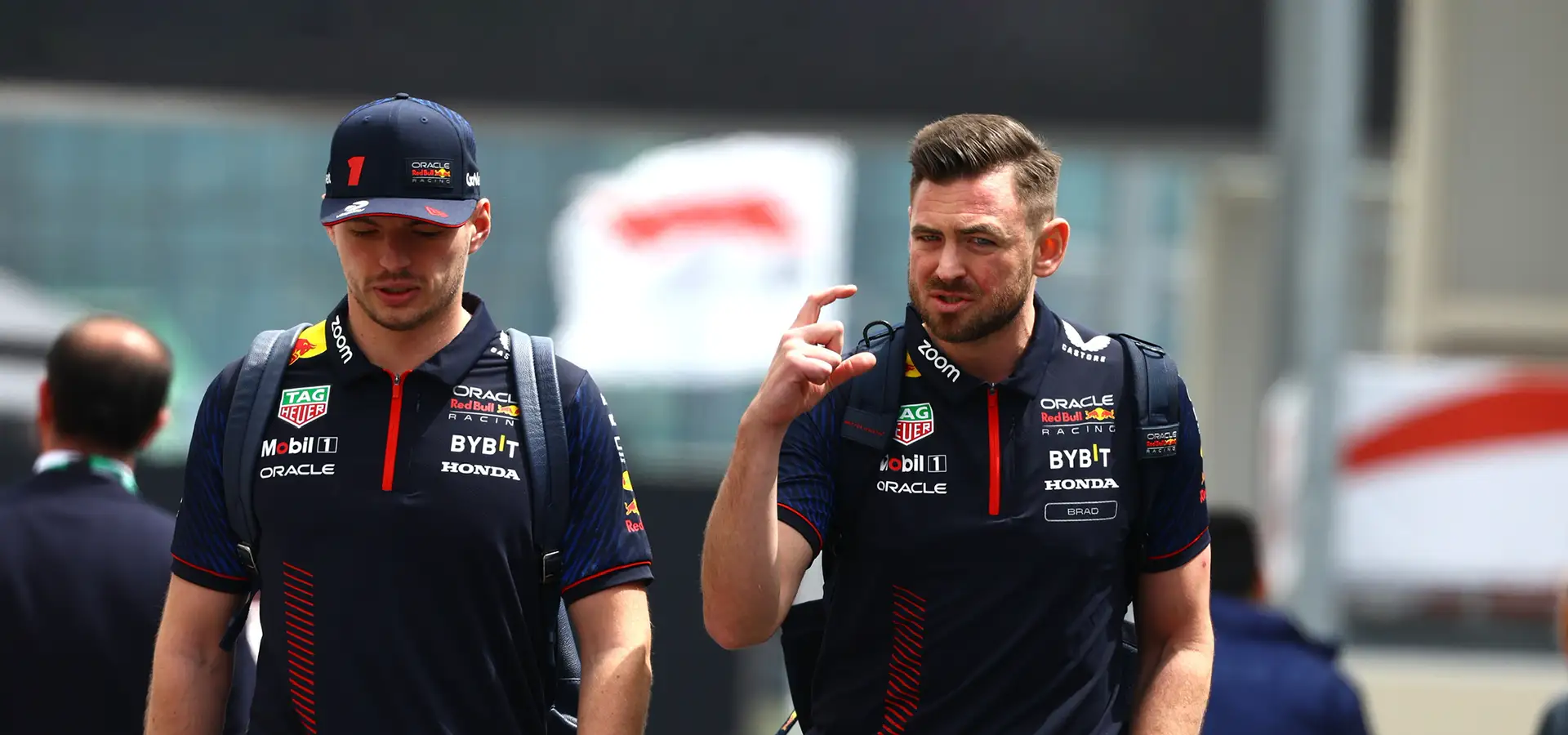
We have had a nice little three and half weeks break, training and preparing for a very busy upcoming schedule, and now it is time to get back to it with a new weekend structure and a high-speed, high-pressure race to kick us back into action.
The Azerbaijan Grand Prix places significant physical and mental demands on the drivers due to it’s nature of being a fast and technical nature.
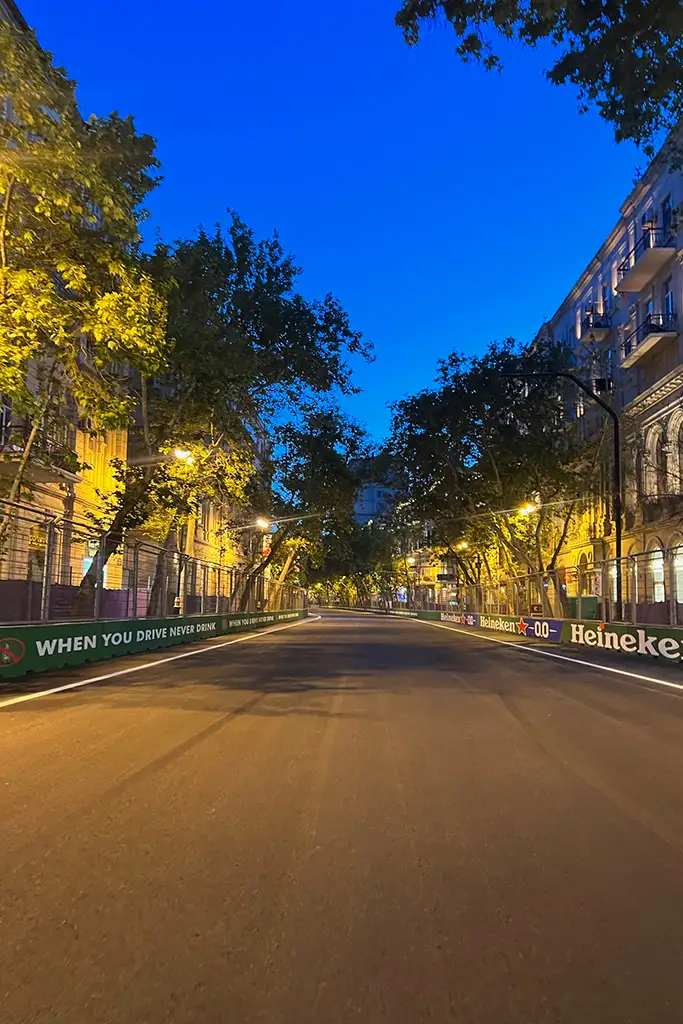
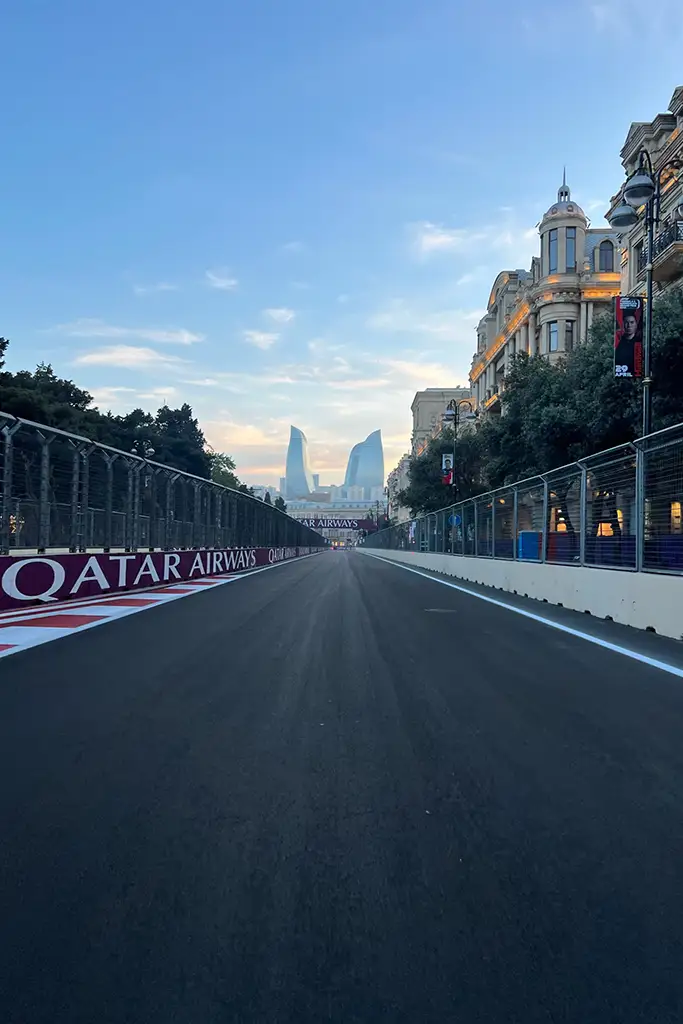
The Azerbaijan Grand Prix in Baku is a 6.003km circuit, the third longest circuit on the calendar and consists of 20 corners.
Azerbaijan Grand Prix
Physical Demands:
1. High G-forces: The Baku City Circuit, where the Azerbaijan Grand Prix is held, is known for its high-speed straights and tight corners, which can subject drivers to high G-forces. This can cause physical strain on the driver’s body, particularly in the neck and shoulders. The highest G-forces experienced by drivers at the Baku City Circuit are typically in excess of 5G, which can occur during the high-speed sections of the track. For example, the Turn 16-17 section, known as the “Castle Section,” is a tight left-right chicane that drivers must take at high speed, which can subject them to forces of up to 6G. There is also a big braking G-force to deal with. It is a circuit which requires a lot of time on the brakes, approximately 20 seconds of a lap, with the biggest effort coming at turn 1 (incident central), where there is 131kg applied on the brakes generating a force of 5.5G.
2. Vibrations and impacts: A street circuit in an old town means lots of bumps in the road. This causes vibrations and buffeting which will shake the head from side to side and drivers will need to rely on there smaller neck muscles to work hard to avoid fatigue and pain. The low back can also be highly affected here as drivers are pretty much sat on the floor with no shock absorption through the seat.
3. Endurance: The Azerbaijan Grand Prix is a long race, lasting around two hours, which requires significant endurance and stamina. Drivers must manage their physical fatigue whilst maintain focus and precision throughout the race.
4. Heat and humidity: I have left this one to end as we are visiting Azerbaijan two months earlier this year. It will still be warm but no where near the temperatures we are used to. Humidity however, can be high which can cause dehydration and fatigue, which can impact a driver’s physical performance.
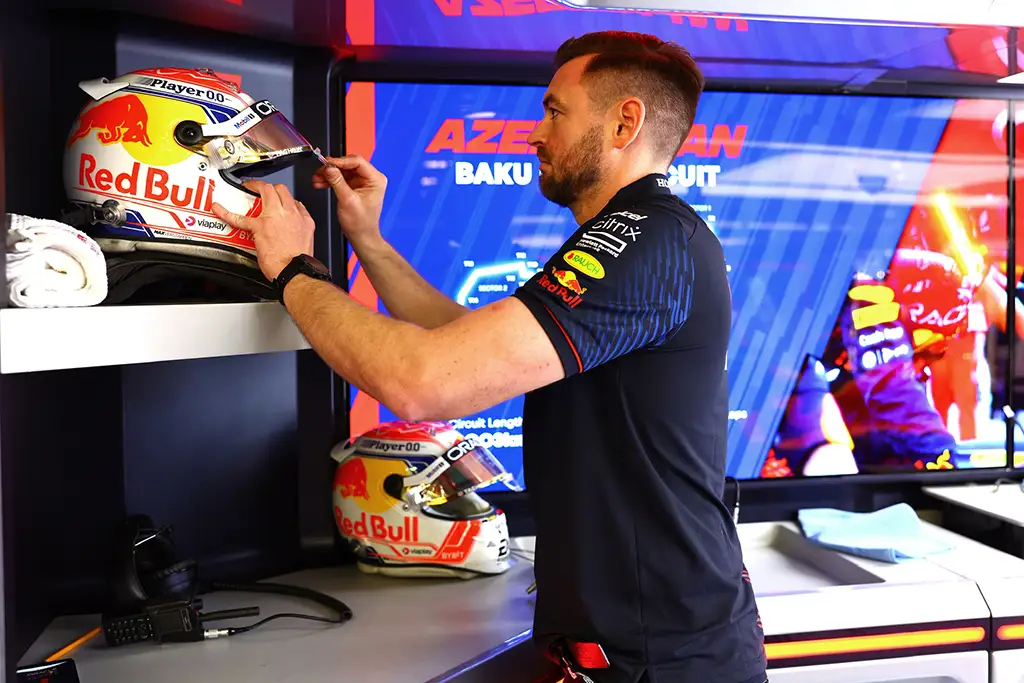
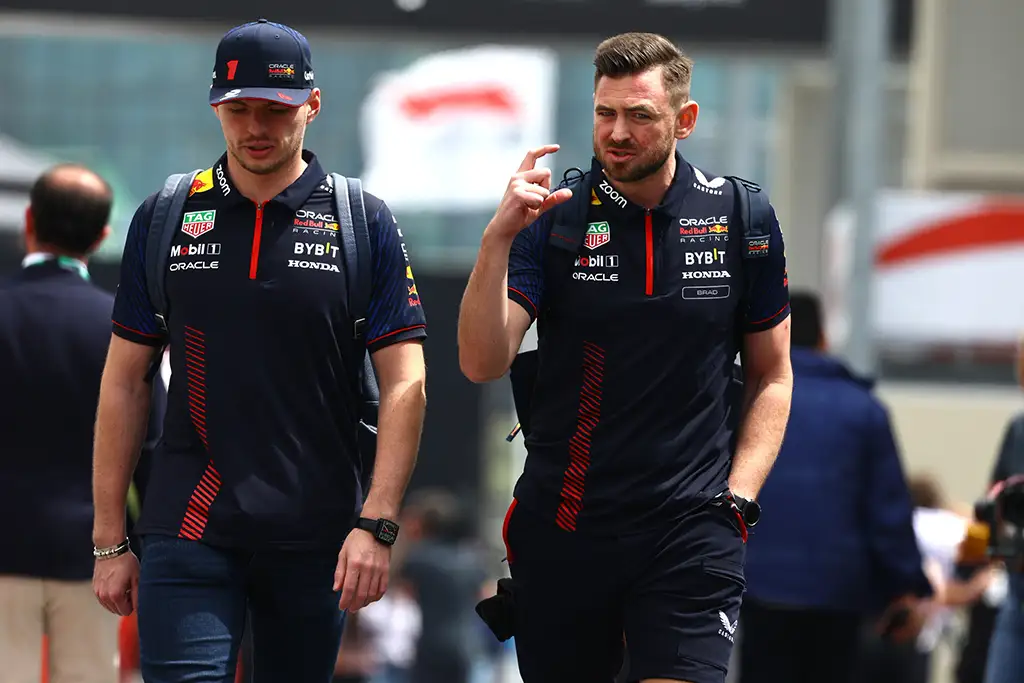
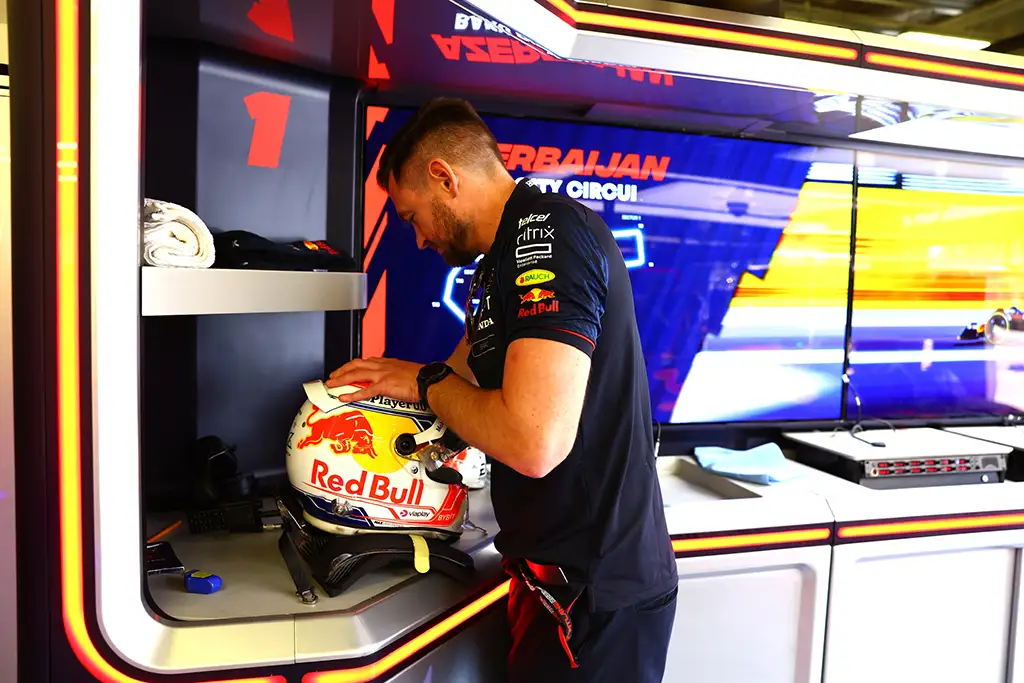
Azerbaijan Grand Prix
Mental Demands**:**
1. Focus and concentration: The Baku City Circuit is a challenging track that requires a high level of focus and concentration from drivers. The high speeds and tight corners demand split-second decision making and precise execution, while also requiring drivers to be aware of their surroundings and anticipate the actions of other drivers. We see a lot of crashes here!
2. Pressure and stress: The Azerbaijan Grand Prix is a high-pressure race, with significant media attention and a global audience watching the drivers’ every move. This can create significant stress and pressure, which can impact a driver’s mental performance.
3. Strategy and planning: The Azerbaijan Grand Prix requires strategic planning and decision making. Drivers and their team must manage their tire wear and fuel consumption.
4. Mental resilience: The Azerbaijan Grand Prix can be a mentally challenging race, with unexpected events and setbacks that can impact a driver’s performance. Yellow flags and red flags are a given and drivers must be mentally resilient and able to adapt to changing circumstances, while also maintaining their focus and concentration.
Overall, the physical and mental demands of the Azerbaijan Grand Prix require drivers to be in top physical and mental condition, with a high level of endurance, stamina, focus, and resilience. Let’s go motor racing!
interesting facts about the Azerbaijan Grand Prix:
- The Azerbaijan Grand Prix is a relatively new addition to the Formula One calendar, with the first race held in 2017.
- The race takes place on a street circuit in the capital city of Baku, which features a mix of high-speed straights and tight, twisty sections.
- The Baku City Circuit is the third-longest track on the Formula One calendar, measuring 6.003 kilometrs (3.730 miles) in length.
- The race is known for its unpredictable and exciting nature, with several high-profile incidents and accidents occurring in its short history.
- The race is the only Formula One event held in Azerbaijan and is supported by the government, which sees it as a way to promote tourism and boost the country’s international profile.
- The race has a unique feature known as the ‘Old City Section’, which is a tight and narrow portion of the track that passes through the historic Old City of Baku.
Year
Winner
Team
Time
Margin
2023
Sergio Pérez
Red Bull
2022
Max Verstappen
Red Bull
1:34:05.941
20.823
2021
Sergio Perez
Red Bull
2:13:36.410
1.385
2020
Cancelled
2019
Valtteri Bottas
Mercedes
1:31:52.942
1.524
2018
Lewis Hamilton
Mercedes
1:43:44.291
2.460
2017
Daniel Ricciardo
Red Bull
2:03:55.573
3.904
SIGN UP To Elite Formula Physio & Training
Elite Formula Physio & Training offers individuals a unique opportunity to receive personalized and high-level performance coaching and physiotherapy, typically only available to professional athletes. The team, led by Bradley Scanes, a Human Performance Consultant at Red Bull Racing & Red Bull Technology, brings a wealth of experience and expertise to their approach, ensuring the highest level of care for their clients.
In addition to Bradley Scanes, the team includes Matt Murray-Downing, Formula 2 Physiotherapist and Performance Coach, and Grace Covington, a Physiotherapist for England Women’s Rugby Team, who contribute their specialised knowledge and experience in the fields of physiotherapy and performance coaching. Elite Formula Physio & Training focuses on providing bespoke programs tailored to the individual needs and goals of each client. Whether an individual is seeking to improve their athletic performance or recover from an injury, the team has the expertise to help them achieve their goals.